Tracing the Evolution of Secure Transaction Methods in Contemporary Digital Wagering Environments
Nils Becker · Aug 21, 2026
Tracing the Evolution of Secure Transaction Methods in Contemporary Digital Wagering Environments
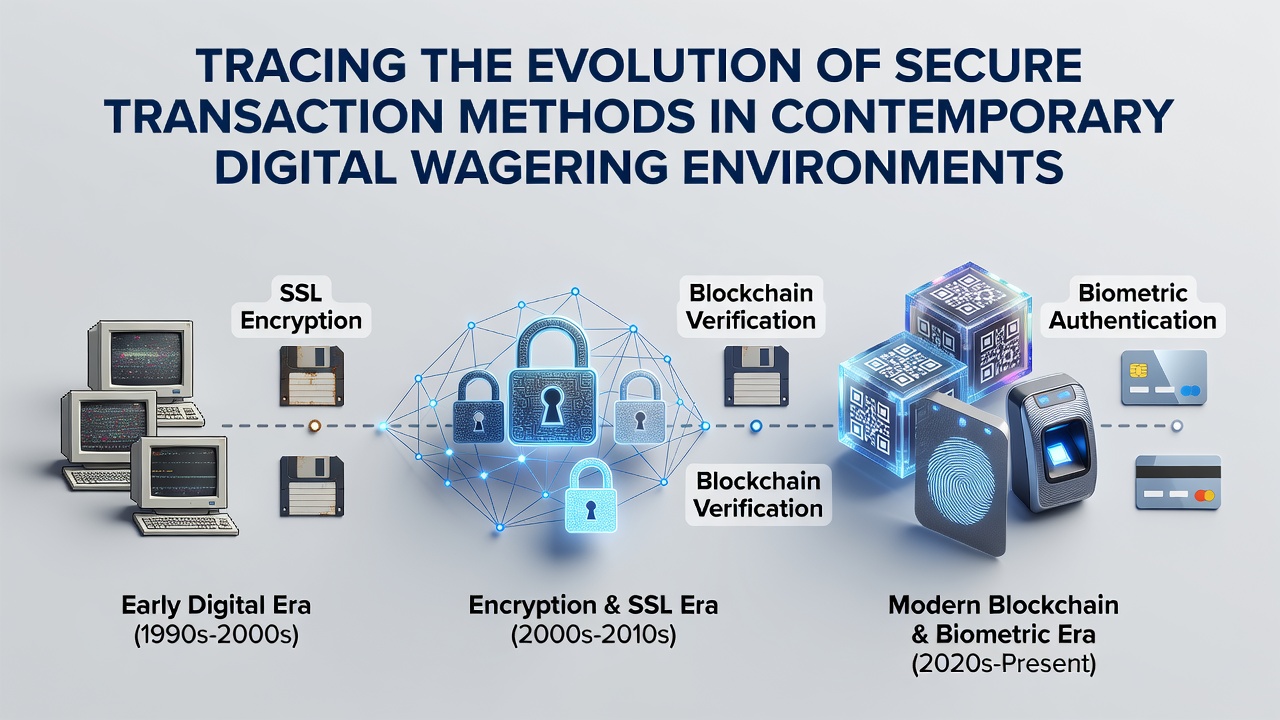
Digital wagering platforms began incorporating transaction methods in the mid-1990s when operators relied primarily on credit card processing networks and bank wire transfers to handle deposits and withdrawals, yet these systems often encountered high decline rates due to merchant category code restrictions and fraud concerns that prompted providers to classify gambling transactions separately. Researchers documented early security gaps through case studies where unauthorized chargebacks exceeded industry averages by substantial margins, leading operators to adopt address verification systems alongside card security codes as standard safeguards.
Shift Toward Electronic Wallets and Digital Accounts
Electronic wallet services emerged around 2000 as intermediaries that allowed users to store funds separately from banking details, and this approach reduced direct exposure of card information while enabling faster transfers across international borders. Observers note that platforms integrated these wallets because they bypassed some traditional banking hurdles, and data from transaction logs showed processing times dropping from several days to mere hours in many instances. Those who've studied this period recall how services like Neteller and Skrill gained traction by implementing two-factor authentication protocols that combined passwords with one-time codes sent via SMS or email.
By the late 2000s mobile network operators started partnering with wagering sites to enable direct carrier billing, although this method remained limited to smaller transaction amounts because of regulatory caps in various jurisdictions. Experts have observed that the introduction of tokenization technology during this era replaced actual card numbers with unique identifiers, which minimized data breach risks when stored on servers.
Integration of Cryptocurrency and Blockchain Technologies
Cryptocurrency options entered digital wagering environments around 2013 when Bitcoin processing gained acceptance on select platforms, and blockchain ledgers provided transparent yet pseudonymous transaction records that appealed to users seeking privacy without sacrificing verification capabilities. Studies found that early adopters experienced settlement speeds measured in minutes rather than days, while the decentralized nature of these networks reduced single-point failure vulnerabilities common in centralized banking systems. Data indicates that operators began layering additional protocols such as multi-signature wallets and escrow mechanisms to address volatility and double-spending concerns that initially hindered broader adoption.
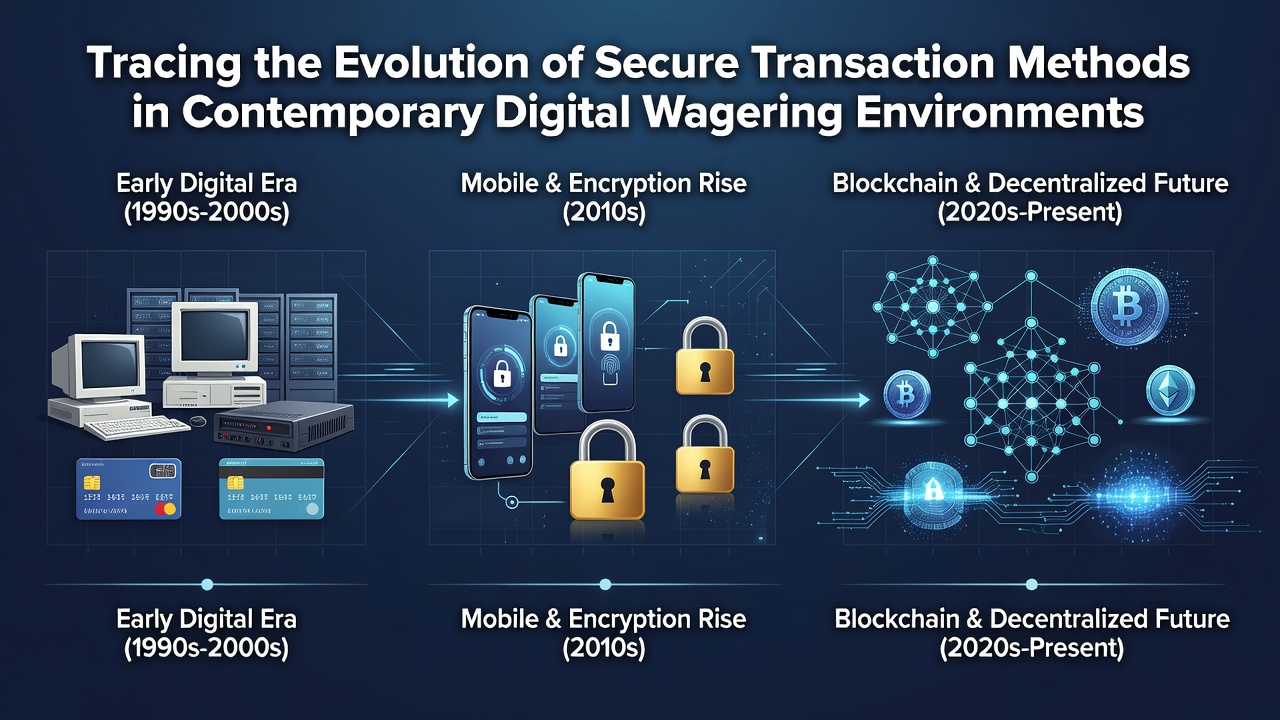
As of August 2026 several major platforms have expanded support for stablecoins pegged to major currencies, which according to reports from the American Gaming Association help stabilize value fluctuations during active betting sessions. Those monitoring regulatory developments across North America and Europe point to updated guidelines that require proof-of-reserves audits for cryptocurrency handlers, and these measures aim to protect user balances against operational failures.
Biometric Verification and Advanced Encryption Standards
Biometric authentication methods including fingerprint scanning and facial recognition became commonplace after 2018 when smartphone hardware made these features widely available, and wagering applications incorporated them to confirm user identity during high-value transactions without requiring manual password entry. Research indicates that false acceptance rates for these systems have fallen below 0.1 percent in controlled tests, which encouraged operators to combine them with behavioral analytics that track typing patterns and device movement for continuous verification. Industry organizations such as the European Gaming and Betting Association have published frameworks recommending end-to-end encryption using AES-256 standards alongside real-time monitoring dashboards that flag anomalous activity within seconds of detection.
Tokenization evolved further with payment service directives in multiple regions mandating dynamic tokens that expire after single use, and this development rendered intercepted data useless for subsequent attempts. Observers note that artificial intelligence models now process transaction streams to predict fraud patterns based on historical datasets, allowing preemptive blocks before funds leave user accounts.
Regulatory Influences and Cross-Border Considerations
Government agencies in Australia and Canada have issued directives requiring segregated client accounts and independent audits of transaction logs, which operators must maintain for periods extending up to seven years. These requirements emerged after documented incidents where commingled funds led to delays in withdrawal processing, prompting stricter separation between operational capital and user balances. International standards bodies continue to refine protocols for cross-border payments, emphasizing interoperability between different national frameworks while preserving local consumer protections.
Conclusion
Transaction security in digital wagering has progressed through successive layers of technological and procedural enhancements that address emerging threats while accommodating user demand for speed and convenience. Current systems combine established encryption practices with newer distributed ledger approaches and biometric checks, creating multiple barriers against unauthorized access. Ongoing developments in regulatory oversight and hardware capabilities suggest continued refinement of these methods through at least the remainder of the decade.