How Data Analytics Drive Customized Bonus Structures in Emerging Digital Bingo Networks
Hugo Lang · Aug 26, 2026
How Data Analytics Drive Customized Bonus Structures in Emerging Digital Bingo Networks
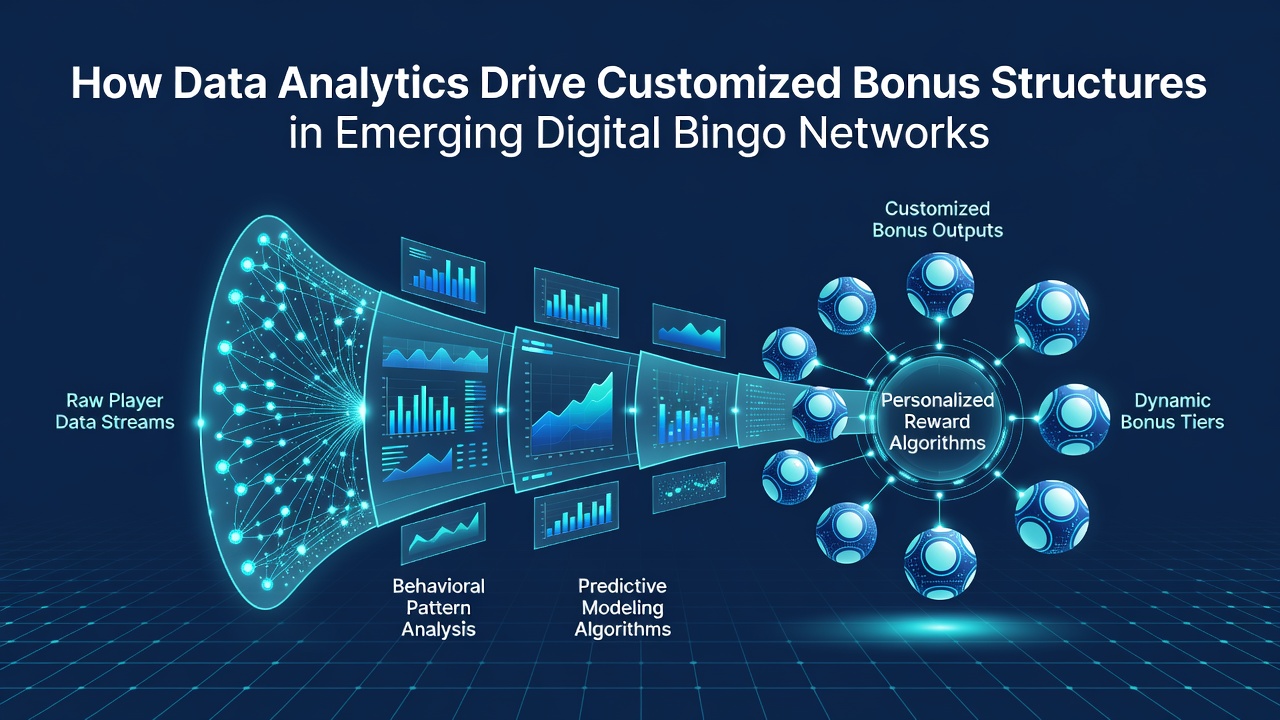
Digital bingo networks have expanded rapidly since the mid-2010s, and data analytics now shape the bonus offers that appear on player screens. Operators collect large volumes of gameplay information including session length, number of cards purchased per round, and patterns in number selection when available, then apply algorithms to adjust reward structures in real time. This process allows platforms to deliver bonuses that align with individual activity levels rather than issuing uniform promotions to every account.
Researchers at several universities have documented how these systems operate. Machine learning models process historical data to predict which bonus types produce continued engagement for different demographic segments, and operators adjust parameters such as deposit match percentages or free-card allocations accordingly. The result is a set of offers that change as a player's behavior evolves over weeks or months.
Data Inputs That Feed Personalization Engines
Platforms gather information from multiple sources inside the game environment. Transaction logs record the timing and size of deposits, while gameplay logs capture win frequency, average stake per ticket, and the intervals between rounds. External data such as device type and geographic location add further context that helps refine targeting. Analysts combine these streams into unified player profiles that update continuously throughout each session.
Studies published in academic journals show that models trained on these datasets achieve higher accuracy when they incorporate both short-term and long-term variables. A player who increases card purchases after receiving a free-round bonus, for example, receives different follow-up offers than someone whose activity remains steady. The distinction matters because it allows networks to allocate promotional budgets toward behaviors that sustain revenue rather than toward one-time spikes.
Algorithmic Methods Behind Offer Generation
Decision trees and clustering techniques group accounts into segments that share similar response patterns to past promotions. Once segments form, rules engines trigger specific bonus types based on thresholds such as total spend in the previous seven days or consecutive days of play. Reinforcement learning components test small variations in bonus value and timing, then retain the combinations that produce the strongest retention signals.
These automated processes operate within limits set by each platform's risk and compliance teams. Parameters such as maximum bonus size and eligibility windows receive regular review, and the same data pipelines that create offers also generate reports that regulators can examine. In August 2026 several North American state licensing boards began requiring operators to submit summaries of their personalization logic alongside standard financial filings, illustrating how oversight has kept pace with technical capability.
Geographic and Regulatory Variations
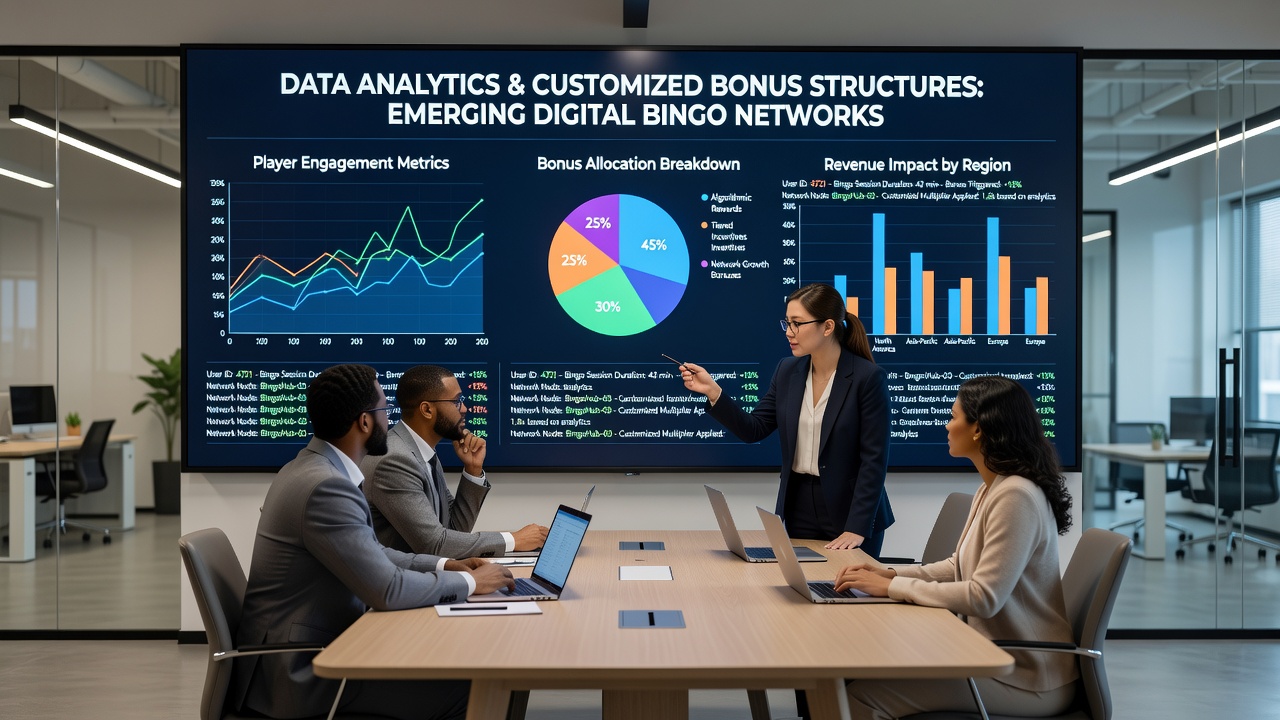
Implementation differs across jurisdictions. Canadian provincial regulators emphasize transparency around how data informs bonus eligibility, whereas Australian state authorities focus on responsible gambling flags that can override personalization when play patterns indicate elevated risk. European operators often integrate data from multiple countries into centralized models while maintaining separate rule sets for each license. These differences mean the same player profile can receive distinct bonus sequences depending on the network and the regulatory environment in which it operates.
Industry reports from the American Gaming Association note that networks using segmented bonus systems record measurable differences in average session duration across player cohorts. The same reports indicate that operators who publish high-level methodology summaries experience fewer compliance queries from licensing bodies, suggesting that transparency can reduce administrative friction even as customization grows more sophisticated.
Case Examples From Operating Networks
One mid-sized European platform introduced a tiered loyalty structure in early 2025 that recalculated bonus multipliers every 48 hours based on recent ticket volume and chat participation. Accounts that showed consistent but moderate activity received smaller yet more frequent free-card grants, while higher-volume players saw occasional larger deposit matches. Internal metrics shared with industry analysts indicated that both groups maintained higher login rates than the control cohort that received static offers.
A separate North American operator tested time-limited bonuses tied to specific bingo rooms rather than account-wide promotions. The system used clustering to identify which rooms attracted players with similar historical spend patterns, then offered room-specific free tickets only to those segments. The experiment ran for six months and produced a documented lift in cross-room exploration without increasing overall bonus expenditure, according to figures presented at a 2026 gaming technology conference.
Technical Infrastructure Requirements
Real-time personalization depends on low-latency data pipelines that move information from game servers to analytics clusters within seconds. Cloud-based data lakes store both raw event logs and aggregated profiles, while edge computing nodes handle immediate offer calculations to avoid delays visible to players. Security protocols encrypt player identifiers at rest and in transit, and access controls limit which staff members can view individual profiles versus aggregate statistics.
Integration with third-party gaming engines adds another layer of complexity. Bingo software providers must expose standardized APIs that allow analytics platforms to read gameplay events and push bonus instructions back into the game client. Networks that maintain multiple software suppliers therefore invest in middleware layers that normalize data formats before analysis begins.
Conclusion
Data analytics have become the mechanism through which emerging digital bingo networks convert raw activity records into individualized bonus structures. The combination of detailed logging, machine learning segmentation, and automated rule engines enables operators to adjust offers continuously while remaining inside regulatory boundaries that continue to evolve. As licensing requirements in multiple regions now include disclosure of personalization methods, the systems that generate these offers must balance commercial objectives with documented compliance standards. The infrastructure supporting these processes continues to mature, and the data practices established in bingo networks increasingly influence bonus design across other forms of online gaming.