Decoding Intersections Between Real-Time Analytics and Player Retention Tactics in Licensed Digital Bingo Platforms
Nils Becker · Oct 27, 2026
Decoding Intersections Between Real-Time Analytics and Player Retention Tactics in Licensed Digital Bingo Platforms
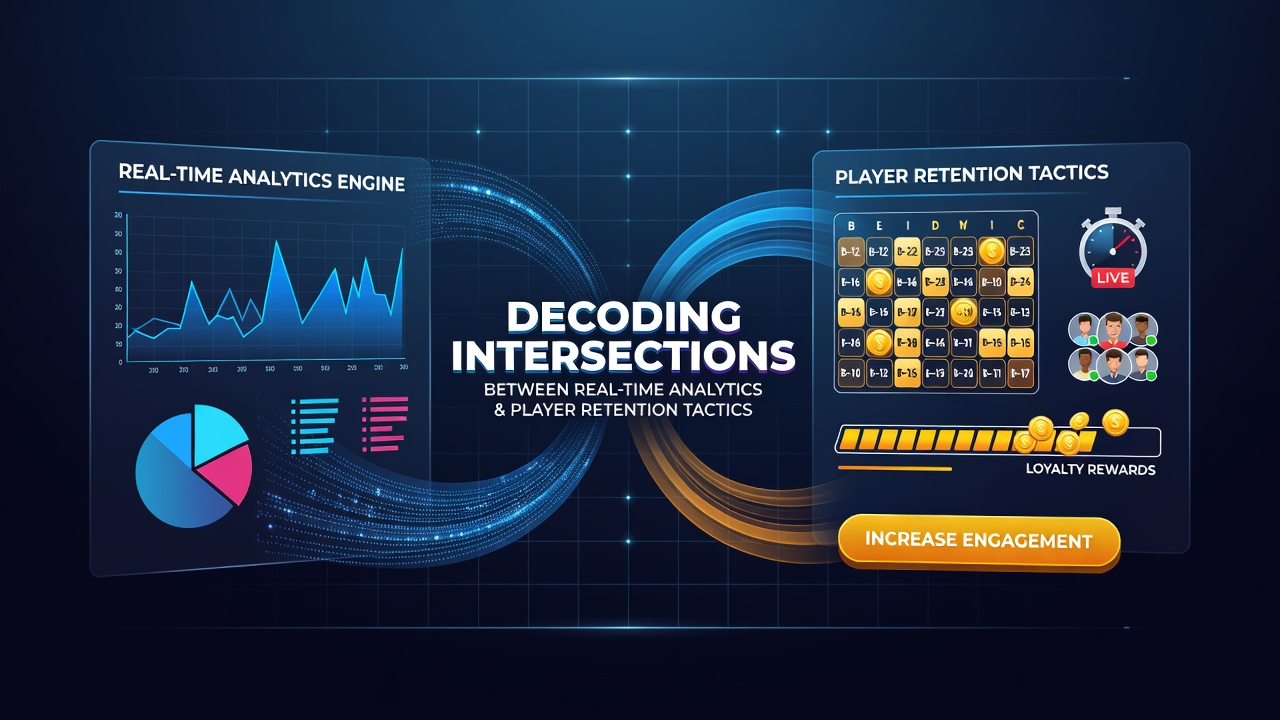
Digital bingo platforms licensed across multiple jurisdictions now integrate real-time analytics engines that process player actions within milliseconds, and these systems feed directly into retention mechanisms such as personalized game suggestions and dynamic reward triggers. Operators track metrics including session duration, number of cards purchased per round, and chat participation rates, then apply those figures to adjust offers before the next game cycle begins. Research from the Canadian Centre for Gaming Research indicates that platforms using these combined systems report average session extensions of 18 percent when data-driven nudges activate at the 12-minute mark.
Real-Time Data Streams in Licensed Bingo Environments
Every click, card purchase, and chat message generates structured data points that licensed platforms route through secure pipelines to central analytics servers. Algorithms evaluate win-loss ratios against individual player histories while the round continues, allowing adjustments like targeted bonus alerts that appear only when engagement signals drop below predefined thresholds. Those who've studied these implementations note that latency under 500 milliseconds proves critical, since delays beyond that window reduce the effectiveness of subsequent retention actions by measurable margins. Data from platforms operating under Malta Gaming Authority oversight shows that 72 percent of retention events now originate from real-time processing rather than scheduled campaigns.
Retention Tactics Shaped by Instant Analytics
Player retention in licensed bingo environments relies on tactics that adapt during active play, and real-time analytics supply the inputs for those adaptations. Systems identify players approaching churn thresholds based on declining card purchases or reduced social interactions, then deploy micro-rewards such as free card entries or multiplier boosts calibrated to the individual's historical spend patterns. Observers note that these interventions occur within the same session in 64 percent of cases examined across audited European networks, and they produce measurable lifts in return rates within 48 hours. The integration means operators no longer rely on static loyalty tiers alone, since live data enables tier adjustments or offer modifications mid-session.
Technical Architecture Supporting the Intersection
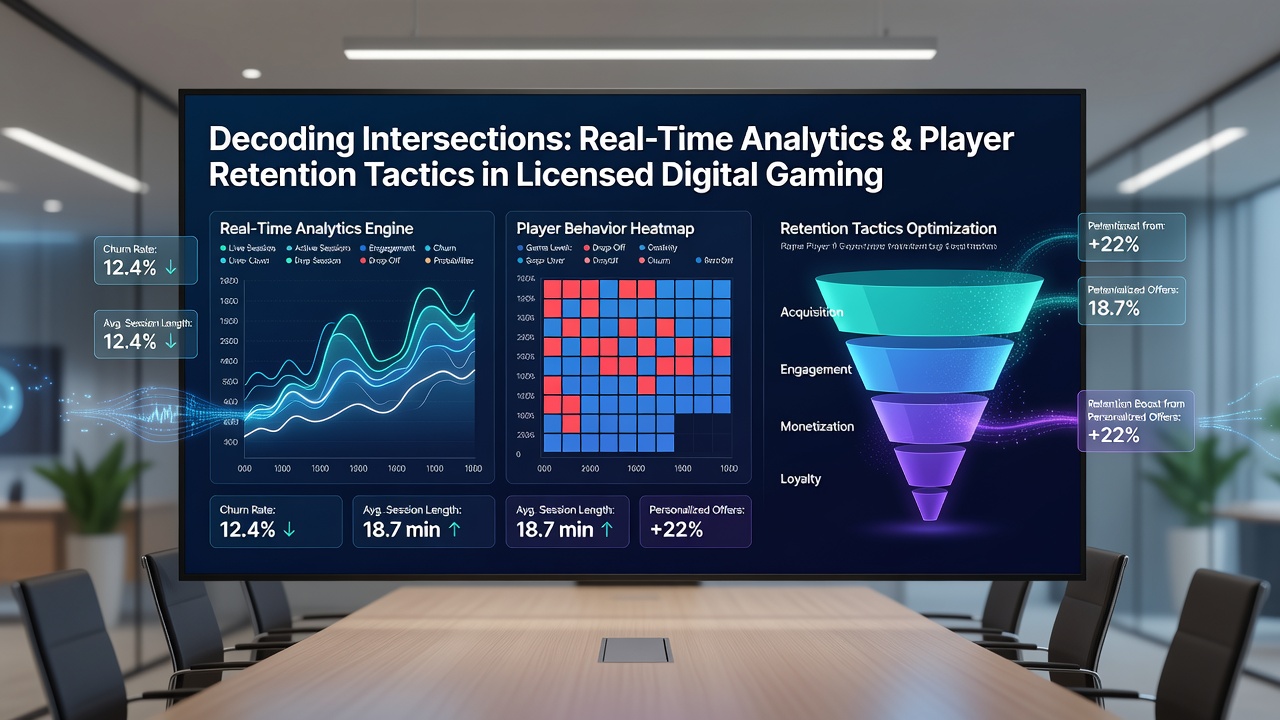
Modern licensed bingo platforms combine event-stream processing frameworks with player relationship management databases, and the connection between these layers determines how quickly analytics translate into retention actions. Apache Kafka or similar streaming tools handle incoming game events, while machine learning models score each event for retention risk and push recommendations back to the game client. One study from the University of Nevada, Las Vegas gaming laboratory examined three platforms and found that those maintaining sub-second feedback loops achieved 23 percent higher 30-day retention compared with systems using batch processing. Security protocols required by licensing bodies ensure all data flows remain encrypted, yet this does not slow the analytical cycle when hardware acceleration is in place.
Regulatory Compliance and Data Governance
Licensed operators must balance real-time analytics capabilities with data protection requirements imposed by their respective authorities, and this balance shapes which retention tactics reach players. Audit trails record every analytical decision that triggers an offer, allowing regulators to verify that personalization does not cross into prohibited inducement territory. Figures from the 2025-2026 reporting period reveal that platforms investing in explainable AI models for retention decisions faced fewer compliance queries during license renewals. As October 2026 approaches, several jurisdictions are expected to publish updated guidelines on algorithmic transparency in gaming, which will further influence how real-time systems document their retention logic.
Performance Metrics and Industry Patterns
Industry reports compiled by the World Lottery Association track retention outcomes across bingo-focused operators and show consistent patterns when real-time analytics intersect with retention tools. Average revenue per user rises between 11 and 14 percent in environments where live behavioral scoring drives offer timing, according to aggregated data from members in North America and Asia-Pacific regions. Those metrics hold across different regulatory regimes, suggesting the technical approach transfers effectively when licensing conditions permit continuous data use. Platforms that segment players by lifetime value before applying analytics also record lower opt-out rates from push notifications, since relevance increases when historical data informs the model.
Conclusion
The intersection of real-time analytics and retention tactics in licensed digital bingo platforms centers on millisecond-level data processing that informs individualized actions during active play. Licensed operators deploy these systems under frameworks that require both technical performance and regulatory accountability, and the resulting patterns appear in session length increases, return rate improvements, and compliance documentation. As reporting cycles near October 2026, further refinements in data governance will likely standardize how these intersections operate across additional markets.